
What is Tohu? Tohu is a peer-to-peer barter network built for marae communities in Aotearoa New Zealand. It uses blockchain technology to let people trade goods and services directly with each other using TOHU tokens.
After six months of intensive development and coding, the Tohu Network has reached a major milestone. The permissioned blockchain infrastructure designed specifically for marae communities across Aotearoa New Zealand is now ready for beta deployment.
The achievement represents a significant breakthrough in making blockchain technology accessible and practical for community-driven economies. Built on Māori values of utu and iwi sovereignty, Tohu enables peer-to-peer trading of goods and services using native TOHU tokens, without reliance on traditional financial intermediaries.
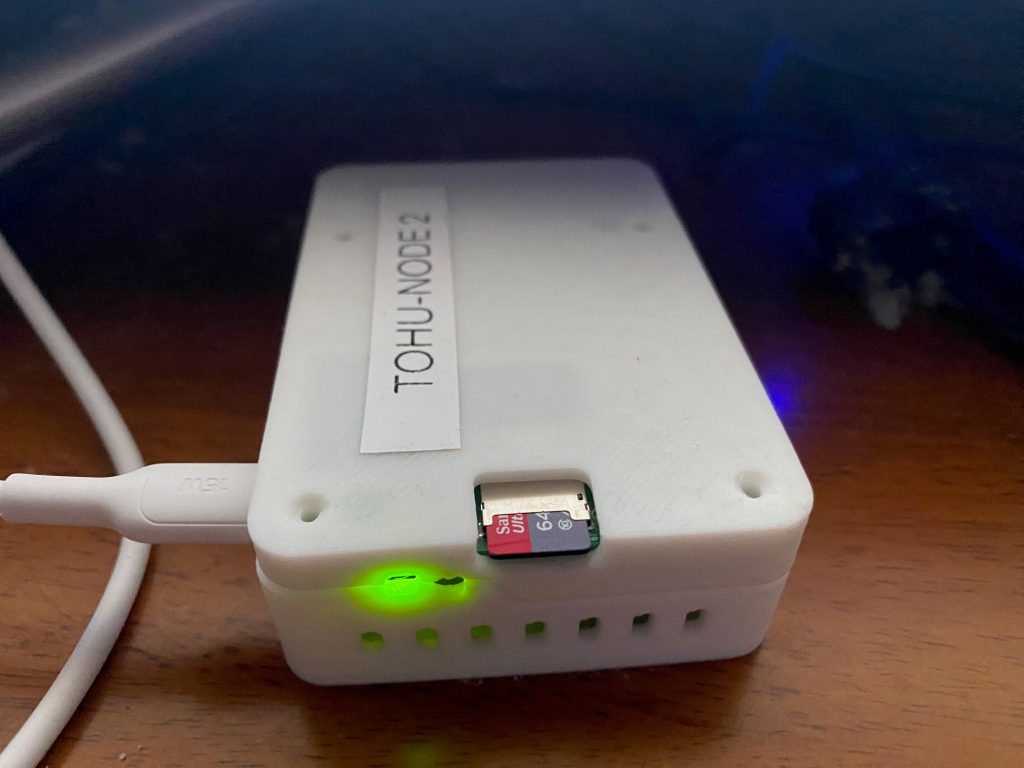
A key technical accomplishment was getting a fully functional blockchain network running on Raspberry Pi 5 hardware using ARM64 architecture. This choice was deliberate—keeping validator nodes on affordable, accessible hardware ensures marae communities can participate without prohibitive infrastructure costs.
The network processes transactions in under 15 seconds, delivering speed and responsiveness essential for real-world trading. Two active validator nodes now run reliably on Raspberry Pi hardware, with a third node added to relay information across the network. These nodes are securely connected through a private VPN, maintaining decentralization while ensuring safe communication between geographically distributed marae.
The development path required solving critical technical challenges. The team debugged consensus mechanisms, fixed network connectivity issues, and resolved bugs that threatened early stability. A complete rewrite of startup automation scripts ensures the network runs reliably without constant manual oversight—essential for communities that may not have dedicated IT staff.
Node 1, the primary validator, had persistent startup issues that were finally resolved through proper systemd integration, allowing it to boot automatically and recover from unexpected restarts.
Security has been built with community members in mind. Wallet files are encrypted using OpenSSL AES-256-CBC with PBKDF2 key derivation, protecting tokens from unauthorized access. Critically, wallets remain encrypted until the exact moment they’re needed, then lock immediately afterward—minimizing exposure windows.
Each node runs under dedicated user accounts with root access disabled, reducing the attack surface. Future upgrades will further harden the security of core network scripts, making the code even more resistant to tampering.
The network operates using the native TOHU token with a capped supply of one billion tokens. The reward system treats network operators equal to validators, ensuring that marae communities contributing infrastructure are properly incentivized to participate and maintain the network.
A voting governance system has been implemented where community members holding at least 10 TOHU tokens can propose and vote on network decisions. This structure gives marae communities direct democratic control over how the system evolves, preventing centralized control and ensuring decisions reflect community values.
With core infrastructure now stable and proven, the team has launched tohu.trading as the central hub for governance and community engagement. The beta launch represents the first phase of a larger vision: scaling to approximately 40 validators and 460 relay nodes distributed across marae throughout Aotearoa.
This distributed architecture means no single point of failure and no central authority controlling the network. Each marae that operates a node has genuine stakes in how the system functions.
The Tohu Network is now positioned to onboard its first cohort of participating communities. Beta testing will validate how the network performs under real-world conditions, gather feedback from marae operators, and refine the experience before broader rollout.
The achievement is significant not just technically, but culturally. For the first time, marae communities have access to an economic infrastructure built on their own values—one that enables trade and economic activity without extracting value to distant financial institutions. Tohu represents genuine community economic sovereignty in practice.